About ACL and knee ligament injuries
The knee has four main ligaments. The anterior cruciate ligament (ACL) controls forward movement and rotation of the shin bone; the medial and lateral collateral ligaments (MCL and LCL) stabilise the sides of the knee; and the posterior cruciate ligament (PCL) sits at the back. MCL sprains often heal well with rehabilitation. ACL ruptures may be managed with rehabilitation or reconstruction surgery, depending on your goals and the advice of an orthopaedic specialist.
Leah has experience supporting patients after ACL reconstruction, from the early days after surgery through to returning to running and sport.
Common symptoms
- a pop or tearing sensation at the time of injury
- rapid swelling within hours
- pain and difficulty bearing weight
- the knee feeling unstable or giving way
- loss of movement
Common causes
- twisting with the foot planted
- landing awkwardly from a jump
- sudden stopping or changing direction
- a direct blow to the side of the knee
How physiotherapy can help
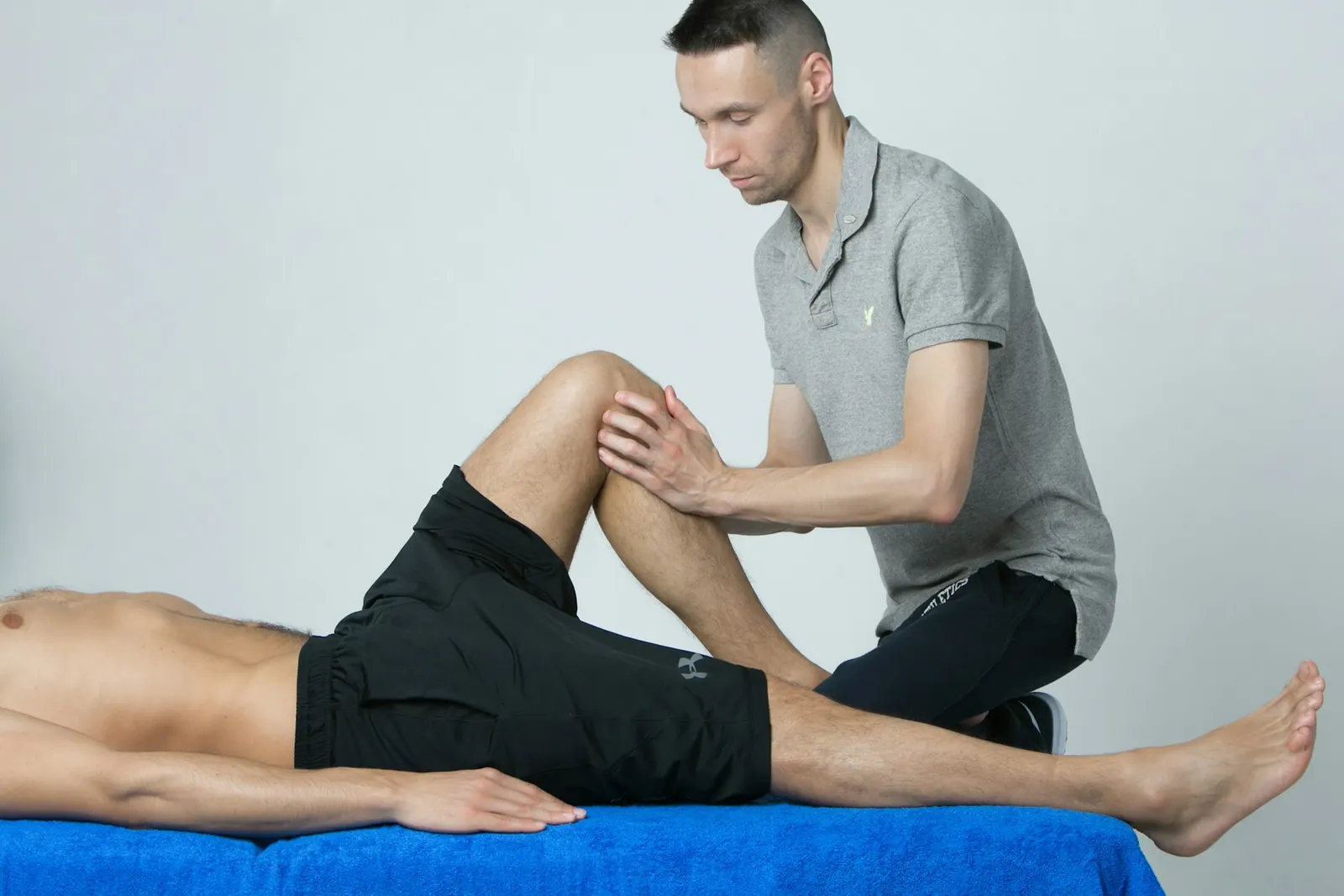
Every person is different, so treatment starts with a thorough assessment and a plan built around your goals. Depending on what you need, treatment may include:
- Early injury management advice and assessment
- Restoring movement, reducing swelling and regaining muscle control
- Pre-operative rehabilitation (prehab) to prepare for surgery
- Post-operative rehabilitation following your surgeon's protocol
- Progressive strength, balance, running and agility training
- Return-to-sport guidance
Ready to get started? Book an assessment at home or in clinic in Harpenden.
Things you can try at home
- Protect the knee and avoid sport until it has been assessed
- Use ice, compression and elevation in the first few days to help with swelling
- Keep gently moving the knee as comfort allows
- Follow any advice from A&E or your surgical team
If your symptoms are not improving, are getting worse or are affecting your sleep, work or exercise, it's worth getting them assessed.
When to get urgent help
Go to A&E or an urgent treatment centre if:
- you cannot put any weight on the leg, or the joint looks deformed after an injury
- you heard a crack and there is rapid swelling or severe pain
- the joint is hot, red and swollen and you feel feverish or unwell
- the limb below the injury is numb, cold, pale or blue
Your GP or NHS 111 can also advise if you are not sure where to go.
Frequently asked questions
Do all ACL injuries need surgery?
No. Some people do well with rehabilitation alone, while others benefit from reconstruction. This depends on factors such as your activity level and goals, and is decided with an orthopaedic specialist.
How long does ACL rehab take?
Returning to full sport after ACL reconstruction commonly takes nine months or more. Rehabilitation is progressed by milestones rather than time alone.
Related conditions
Treatments that may help
This page gives general information and is not a substitute for an individual assessment. If you are unsure whether physiotherapy is right for you, please email or call 07490 128910.