
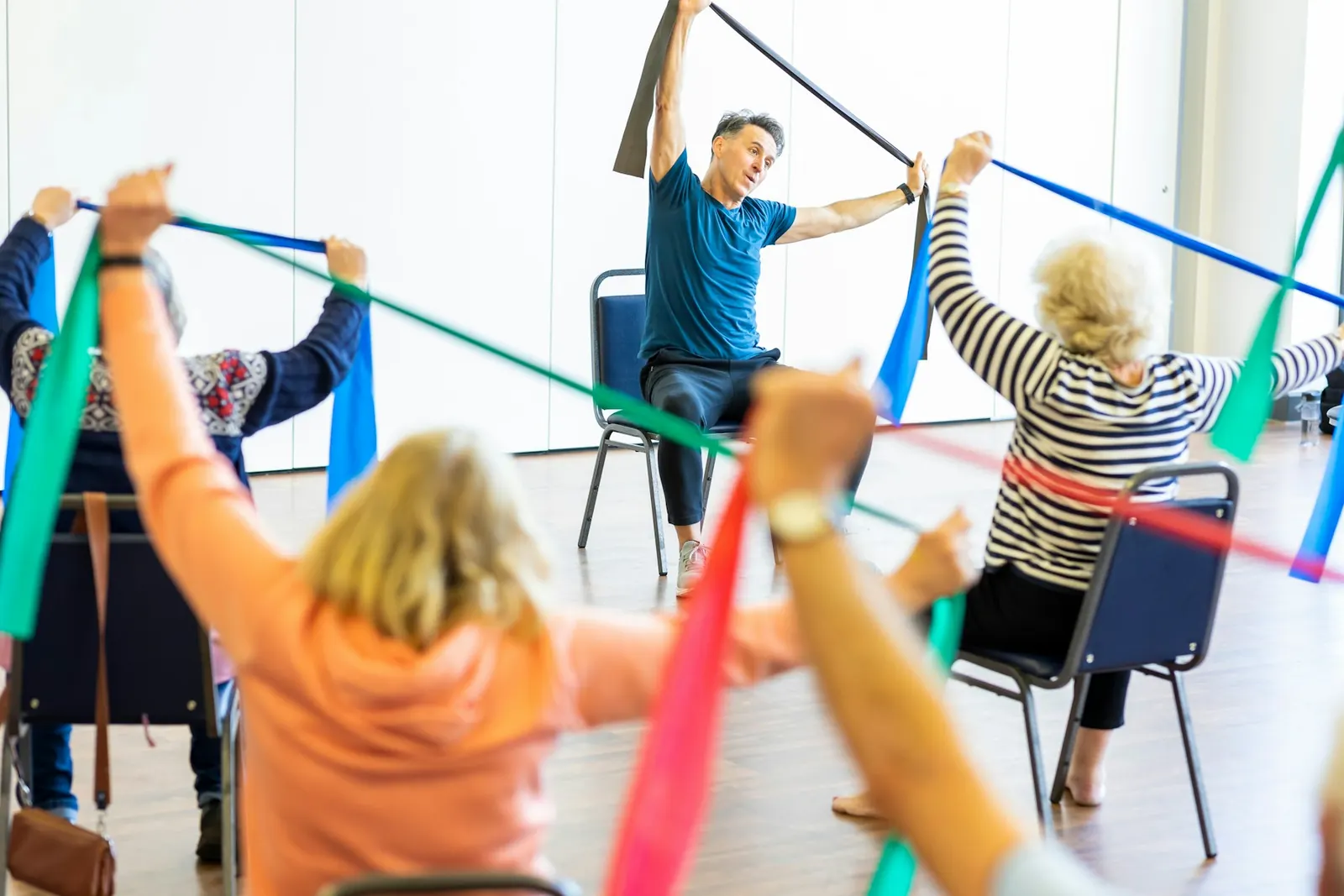
About knee replacement rehabilitation
After a total or partial knee replacement, the first weeks focus on managing pain and swelling, regaining the ability to bend and straighten the knee, and walking safely. Over the following months, strength, balance and stamina continue to improve.
Leah has experience supporting patients after hip and knee replacements. Rehabilitation always follows your surgical team's guidance. Prehabilitation - exercises before surgery - can also help you prepare.
Common symptoms
- stiffness and difficulty bending or straightening the knee
- swelling and warmth around the knee for several weeks
- weakness in the thigh muscles
- reduced confidence walking or on stairs
Common causes
- recovery after total or partial knee replacement surgery
How physiotherapy can help
Every person is different, so treatment starts with a thorough assessment and a plan built around your goals. Depending on what you need, treatment may include:
- Exercises before surgery to help you prepare
- Home visits in the early weeks after your operation
- Exercises to restore knee bend and straightening
- Progressive strengthening, balance and walking practice
- Guidance on stairs, getting in and out of the car, and returning to activities
Ready to get started? Book an assessment at home or in clinic in Harpenden.
Things you can try at home
- Do your exercises little and often, as advised by your surgical team
- Use ice and elevation to manage swelling
- Take pain relief as prescribed so you can exercise comfortably
- Gradually increase your walking
If your symptoms are not improving, are getting worse or are affecting your sleep, work or exercise, it's worth getting them assessed.
When to get urgent help
Get urgent medical help (call NHS 111, or 999 if you are short of breath) if you notice:
- throbbing or cramping pain, swelling, warmth and redness in one calf or thigh - this can be a sign of a blood clot (DVT), particularly after surgery or a long period of immobility
- sudden breathlessness, chest pain or coughing up blood
- a wound that becomes increasingly red, hot, swollen or starts to leak, or you develop a fever
If you have recently had an operation, follow the advice and contact numbers given by your surgical team.
Frequently asked questions
When can I start physiotherapy after a knee replacement?
Rehabilitation usually begins in hospital and continues once you are home. Private physiotherapy can start whenever suits you, following your surgeon's guidance.
Can you treat me at home after surgery?
Yes. Home visits are ideal after surgery, so you do not need to travel while you are recovering.
Related conditions
Treatments that may help
This page gives general information and is not a substitute for an individual assessment. If you are unsure whether physiotherapy is right for you, please email or call 07490 128910.