
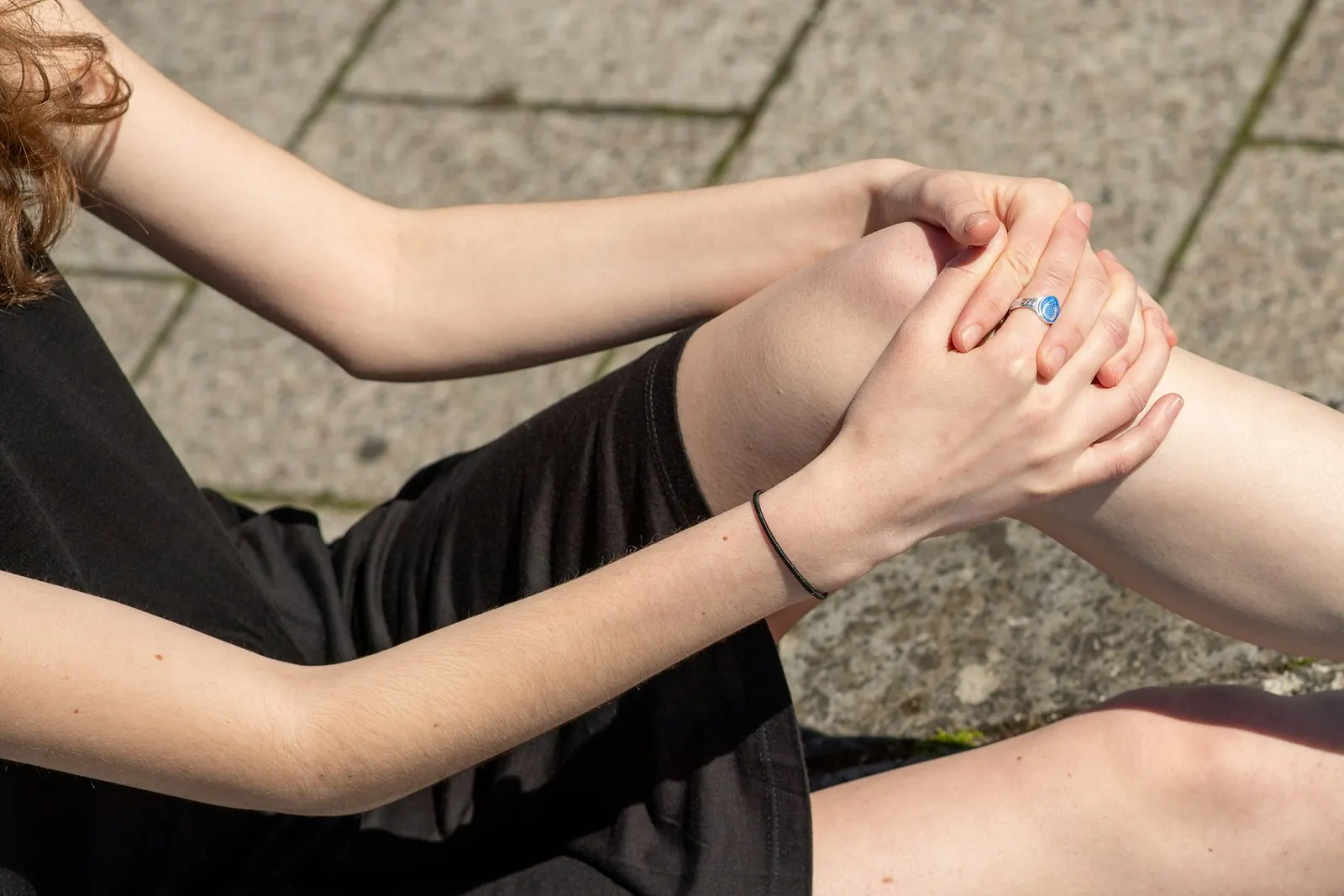
About knee pain
Knee pain may follow a specific injury, such as a twist in sport, or build up gradually. Common causes include pain around the kneecap, tendon problems, cartilage (meniscus) tears, ligament injuries and osteoarthritis. Each needs a slightly different approach, so a thorough assessment comes first.
Common symptoms
- pain at the front, inside, outside or back of the knee
- swelling or a feeling of fullness
- stiffness or difficulty fully bending or straightening
- clicking, catching or locking
- the knee giving way
Common causes
- sports injuries and twisting movements
- increasing running or training too quickly
- osteoarthritis
- weakness around the hip and thigh
- previous injury or surgery
How physiotherapy can help
Every person is different, so treatment starts with a thorough assessment and a plan built around your goals. Depending on what you need, treatment may include:
- A detailed assessment of the knee, hip, ankle and the way you move
- A progressive strengthening and movement programme
- Hands-on treatment and taping to ease pain
- Return-to-sport and running plans
- Rehabilitation after knee surgery, including ACL reconstruction and knee replacement
Ready to get started? Book an assessment at home or in clinic in Harpenden.
Things you can try at home
- Keep active within comfortable limits
- Ice or a cool pack can help with swelling after an injury
- Reduce, rather than stop, activities that flare your symptoms
- Strengthen your thigh and hip muscles
If your symptoms are not improving, are getting worse or are affecting your sleep, work or exercise, it's worth getting them assessed.
When to get urgent help
Go to A&E or an urgent treatment centre if:
- you cannot put any weight on the leg, or the joint looks deformed after an injury
- you heard a crack and there is rapid swelling or severe pain
- the joint is hot, red and swollen and you feel feverish or unwell
- the limb below the injury is numb, cold, pale or blue
Your GP or NHS 111 can also advise if you are not sure where to go.
Frequently asked questions
Should I rest my knee?
A short period of relative rest can help after an injury, but long periods of rest weaken the muscles that support the knee. A graded plan is usually better.
Do I need a scan?
Not usually. A clinical assessment guides most treatment. If a scan or specialist opinion is needed, I will explain why and advise you to see your GP.
Related conditions
- ACL and knee ligament injuries
- Meniscus (cartilage) injuries
- Runner's knee (patellofemoral pain)
- Arthritis (osteoarthritis)
Treatments that may help
This page gives general information and is not a substitute for an individual assessment. If you are unsure whether physiotherapy is right for you, please email or call 07490 128910.