
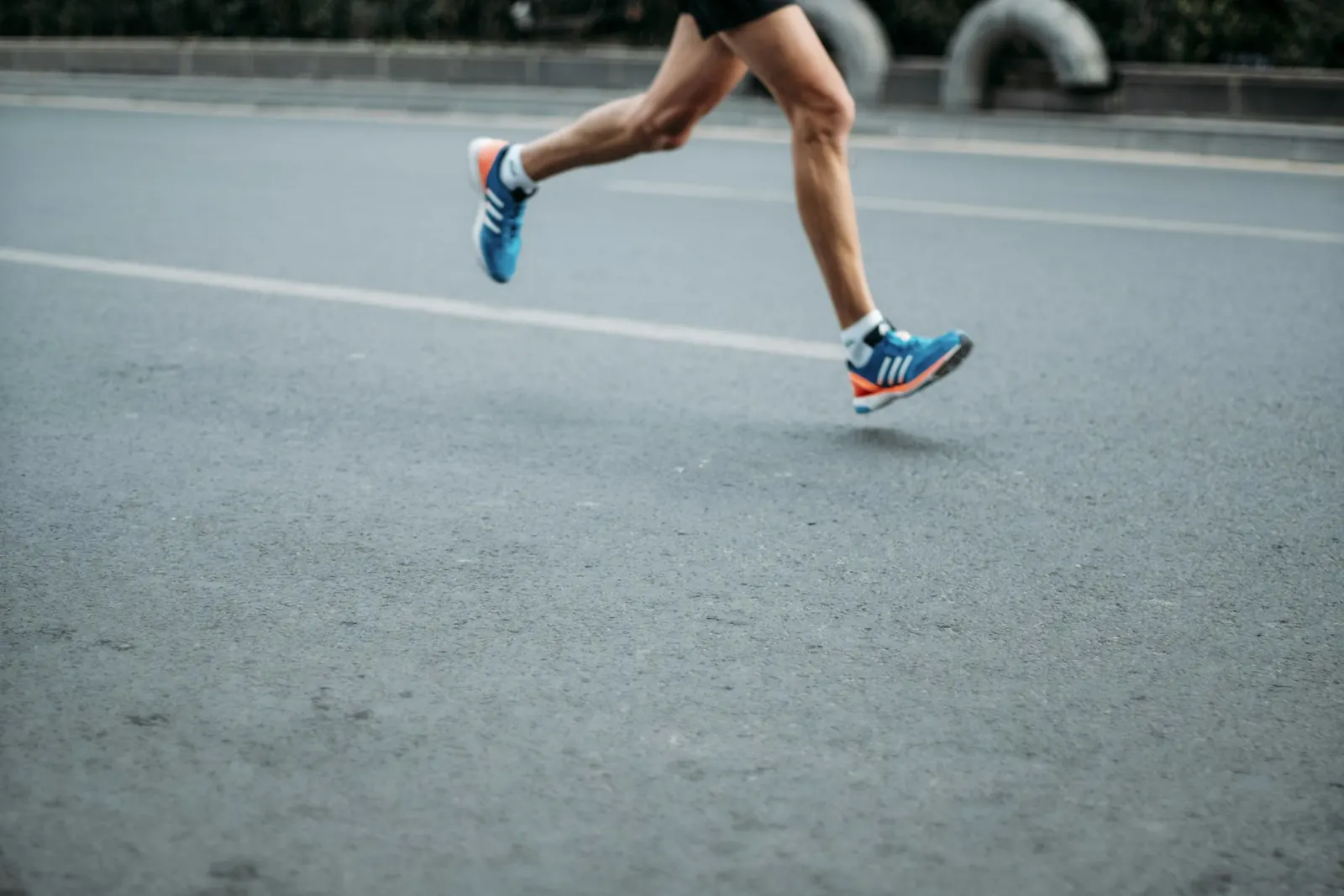
About Runner's knee (patellofemoral pain)
The kneecap glides in a groove at the end of the thigh bone. When the load through this joint increases faster than the tissues can adapt - for example a jump in running distance - the area can become sensitive. Strength around the hip and thigh, training load, footwear and running technique can all be part of the picture.
Common symptoms
- a dull ache around or behind the kneecap
- pain going up or down stairs, squatting or kneeling
- pain after sitting for a while with your knees bent
- pain during or after running, especially downhill
Common causes
- increasing running distance, speed or hills too quickly
- weakness in the thigh and hip muscles
- changes in footwear or running surface
- activities with lots of squatting or jumping
How physiotherapy can help
Every person is different, so treatment starts with a thorough assessment and a plan built around your goals. Depending on what you need, treatment may include:
- Assessment of your strength, movement and running history
- Load management - adjusting rather than stopping your training where possible
- A targeted hip and thigh strengthening programme
- Taping to reduce pain in the short term
- A structured return-to-running plan
Ready to get started? Book an assessment at home or in clinic in Harpenden.
Things you can try at home
- Reduce running volume and avoid hills for a while
- Swap some runs for cycling or swimming if they are comfortable
- Avoid sitting for long spells with your knees fully bent
- Build your mileage gradually
If your symptoms are not improving, are getting worse or are affecting your sleep, work or exercise, it's worth getting them assessed.
When to get urgent help
Go to A&E or an urgent treatment centre if:
- you cannot put any weight on the leg, or the joint looks deformed after an injury
- you heard a crack and there is rapid swelling or severe pain
- the joint is hot, red and swollen and you feel feverish or unwell
- the limb below the injury is numb, cold, pale or blue
Your GP or NHS 111 can also advise if you are not sure where to go.
Frequently asked questions
Do I have to stop running?
Not always. Many runners can continue with reduced or modified training while they build strength.
Will taping fix my knee?
Taping can ease pain in the short term, but strengthening and load management are the long-term answer.
Related conditions
Treatments that may help
This page gives general information and is not a substitute for an individual assessment. If you are unsure whether physiotherapy is right for you, please email or call 07490 128910.