
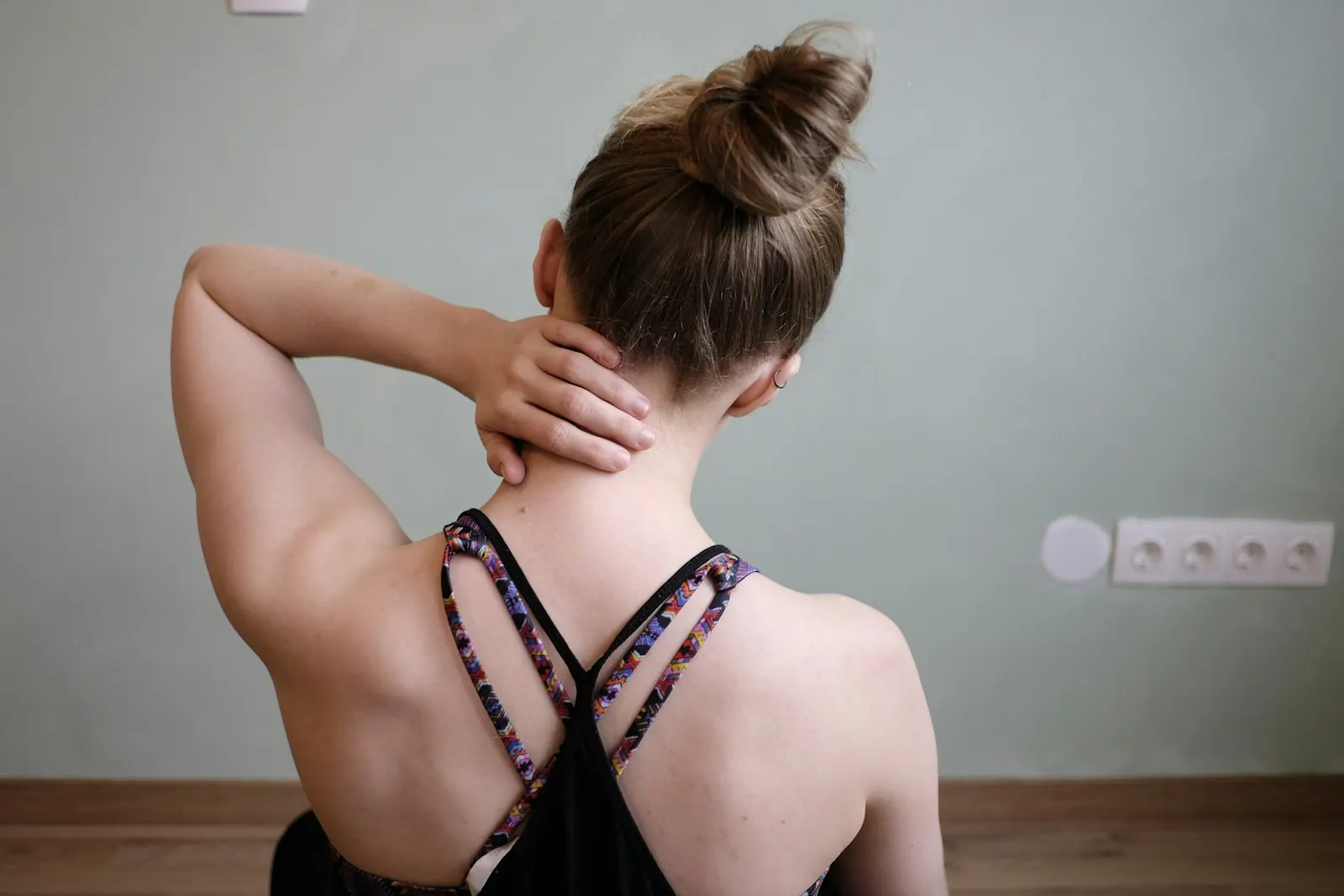
About neck pain and headaches
Your neck (cervical spine) has seven vertebrae and many small joints and muscles that allow a huge range of movement. Stiff joints, overworked muscles and irritated nerves can all cause pain. When the upper neck is involved, pain can be referred into the head - this is called a cervicogenic headache, and it often starts at the base of the skull and spreads towards the forehead or behind the eye.
Some headaches, such as migraine, have different causes. Part of the assessment is working out whether your neck is contributing and, if it is not, advising you where to go for further help.
Common symptoms
- stiffness and reduced movement when turning or tilting your head
- aching in the neck, upper shoulders or between the shoulder blades
- headaches that start in the neck or at the base of the skull
- pain or pins and needles spreading into the arm
- waking with a stiff neck
Common causes
- sustained postures at a desk, driving or using a phone
- sleeping in an awkward position
- muscle strain or joint irritation
- age-related changes in the joints and discs
- stress and tension
- whiplash-type injuries
How physiotherapy can help
Every person is different, so treatment starts with a thorough assessment and a plan built around your goals. Depending on what you need, treatment may include:
- Assessment of neck movement, strength, nerves and contributing factors
- Gentle joint mobilisations and soft tissue techniques
- Specific exercises for the deep neck and upper back muscles
- Advice on work set-up, sleep position and pillow height
- Kinesiology taping or dry cupping where appropriate
Ready to get started? Book an assessment at home or in clinic in Harpenden.
Things you can try at home
- Keep your neck moving gently - avoid holding it still for long periods
- Use heat to ease muscle tension
- Check your pillow keeps your neck level with your body
- Take regular breaks from screens
If your symptoms are not improving, are getting worse or are affecting your sleep, work or exercise, it's worth getting them assessed.
When to get urgent help
Call 999 or go to A&E straight away if you have neck pain with any of these:
- a sudden, severe headache unlike anything you have had before
- a high temperature with a stiff neck, a headache or a rash, or sensitivity to light
- pain after a serious fall, road accident or blow to the head
- new weakness, numbness or clumsiness in your arms or legs, problems with walking or balance, or difficulty swallowing or speaking
- chest pain, or pain that spreads into your arm or jaw with breathlessness or sweating
See your GP if neck pain comes with unexplained weight loss, a history of cancer, or pain that is getting steadily worse despite rest.
Frequently asked questions
Can physiotherapy help with headaches?
Physiotherapy can help when headaches are linked to the neck (cervicogenic headaches). I will assess whether your neck is involved and, if your headaches have another cause, advise you to see your GP.
Should I use a neck collar?
Collars are rarely recommended for everyday neck pain, as gentle movement usually helps recovery more.
Related conditions
Treatments that may help
This page gives general information and is not a substitute for an individual assessment. If you are unsure whether physiotherapy is right for you, please email or call 07490 128910.