A thorough assessment
Treatment starts with a comprehensive assessment of your movement patterns, posture, range of movement and strength. This helps identify compensations or imbalances anywhere in your body that could be affecting the injured area.
Treating the cause, not just the pain
Sometimes the root cause of an injury is not where the pain is. An ankle injury, for example, may be linked to weakness at the knee or hip - so treatment addresses these areas too, rather than focusing only on where it hurts.
Your treatment plan
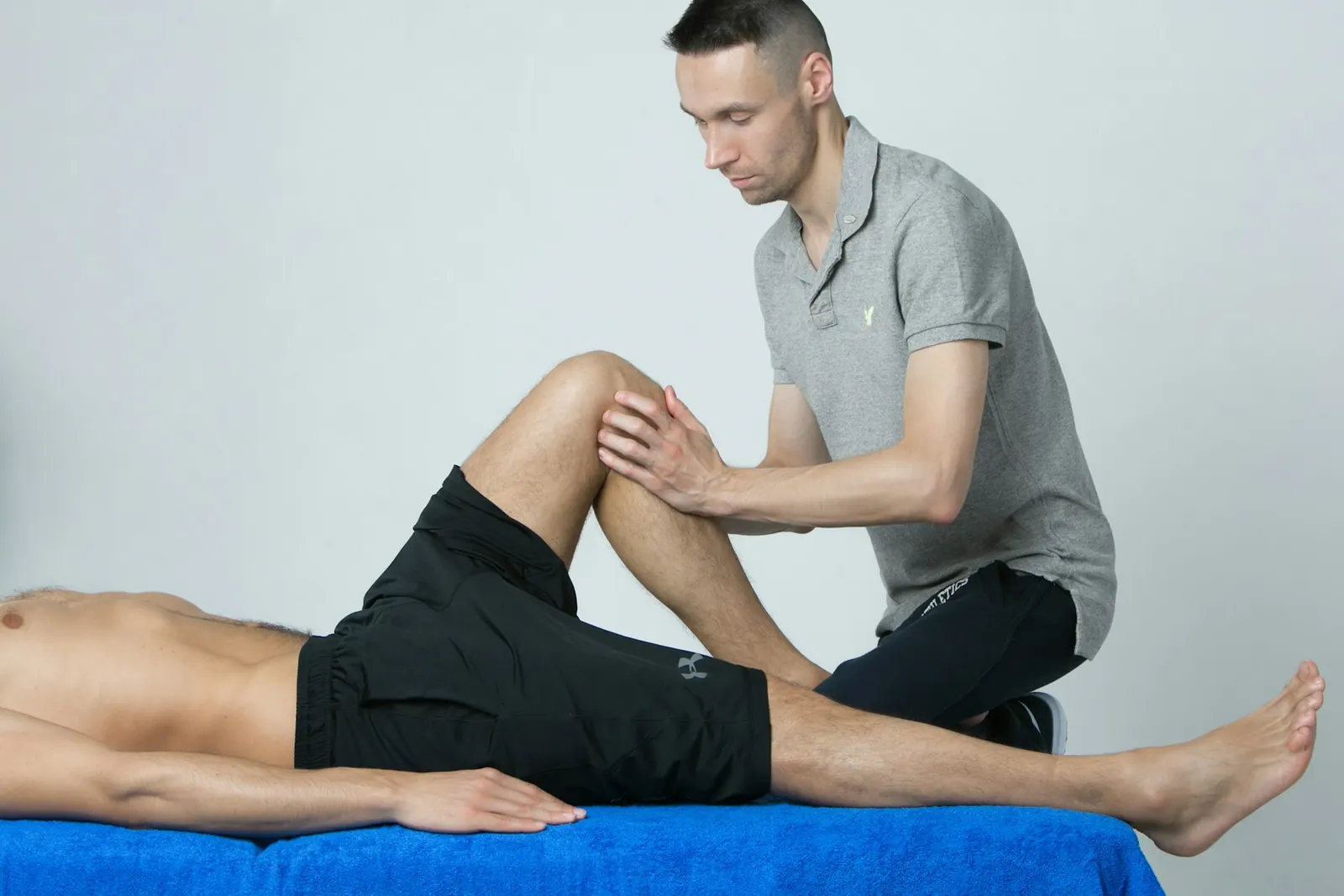
Your plan is likely to combine hands-on techniques - such as soft tissue release, joint mobilisation and muscle energy techniques - with specific rehabilitation exercises and education about movement to reduce the risk of re-injury. The goal is not only to resolve your symptoms but to improve your overall function and performance.
- Muscle strains and ligament sprains
- Tendon problems such as Achilles and patellar tendinopathy
- Knee injuries, including ACL and meniscus injuries
- Running injuries
- Shoulder and elbow problems from racket, throwing and gym sports
Getting back to sport
Your rehabilitation is progressed in stages, with clear goals at each step, through to sport-specific drills and a planned return to training and competition.
Not sure if physiotherapy can help? Get in touch, or book your assessment online.
Frequently asked questions
Do I need to stop training?
Not always. Where possible we will modify your training so you can stay active while you recover.
Can you help with sports massage too?
Yes. Leah is a qualified sports massage therapist (ITEC Level 3), and massage can be included in your treatment or booked on its own.