
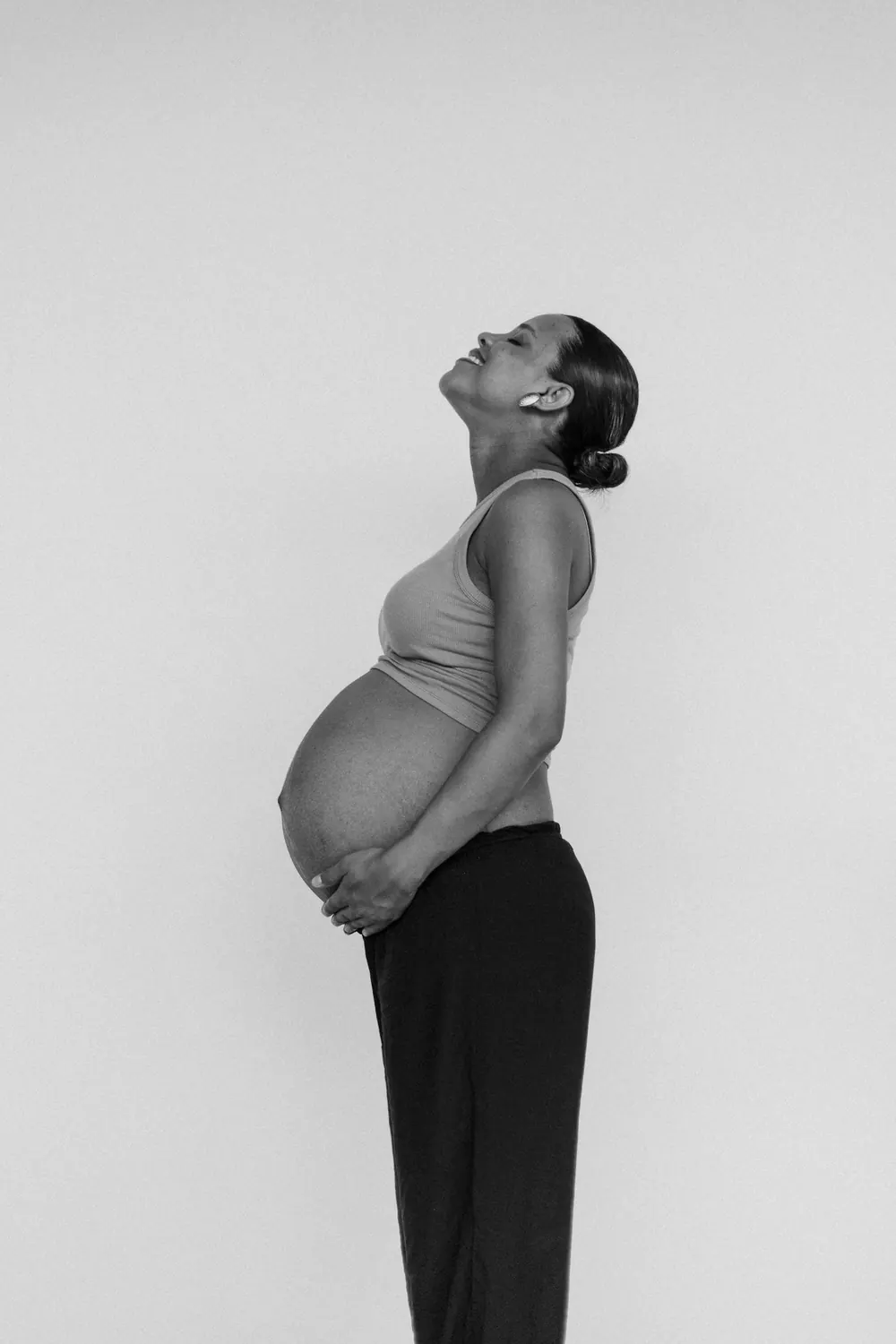
About pregnancy-related pelvic girdle pain
During pregnancy, hormonal changes, your growing baby and changes in posture and the way you move all affect the pelvic joints. Pain can be felt at the front of the pelvis, in the lower back, the buttocks or the hips. Everyone's experience is different, and it can range from mild to very limiting.
Home visits can be particularly helpful in later pregnancy or with a new baby. Treatment is gentle, adapted to each stage of pregnancy, and works alongside your midwife's care.
Common symptoms
- pain over the pubic bone at the front of the pelvis
- pain in the lower back, buttocks or hips
- pain walking, climbing stairs, standing on one leg or getting dressed
- pain turning over in bed or getting in and out of a car
- a clicking or grinding feeling in the pelvis
Common causes
- hormonal changes in pregnancy
- changes in posture and load as your baby grows
- previous back or pelvic pain
How physiotherapy can help
Every person is different, so treatment starts with a thorough assessment and a plan built around your goals. Depending on what you need, treatment may include:
- Gentle, pregnancy-appropriate assessment
- Hands-on treatment to ease pain
- Exercises to support the pelvis, hips and core
- Practical advice for daily tasks, sleep and moving around
- Advice on staying active through pregnancy and after birth
Ready to get started? Book an assessment at home or in clinic in Harpenden.
Things you can try at home
- Keep your knees together when getting in and out of the car or bed
- Sit down to get dressed
- Take smaller steps and avoid carrying heavy things on one side
- Sleep with a pillow between your knees
If your symptoms are not improving, are getting worse or are affecting your sleep, work or exercise, it's worth getting them assessed.
When to get urgent help
Contact your midwife or maternity unit straight away if you have pelvic or back pain with:
- vaginal bleeding, fluid leaking, or regular tightenings or contractions
- severe or constant abdominal pain
- a change in, or reduction of, your baby's movements
- a high temperature, pain when passing urine, or pain in one calf with swelling
In an emergency call 999.
Frequently asked questions
Is physiotherapy safe during pregnancy?
Treatment is adapted to your stage of pregnancy. Please tell me about any complications, and keep your midwife informed.
Will PGP harm my baby?
PGP can be very painful for you, but it is not harmful to your baby.
Related conditions
Treatments that may help
This page gives general information and is not a substitute for an individual assessment. If you are unsure whether physiotherapy is right for you, please email or call 07490 128910.